
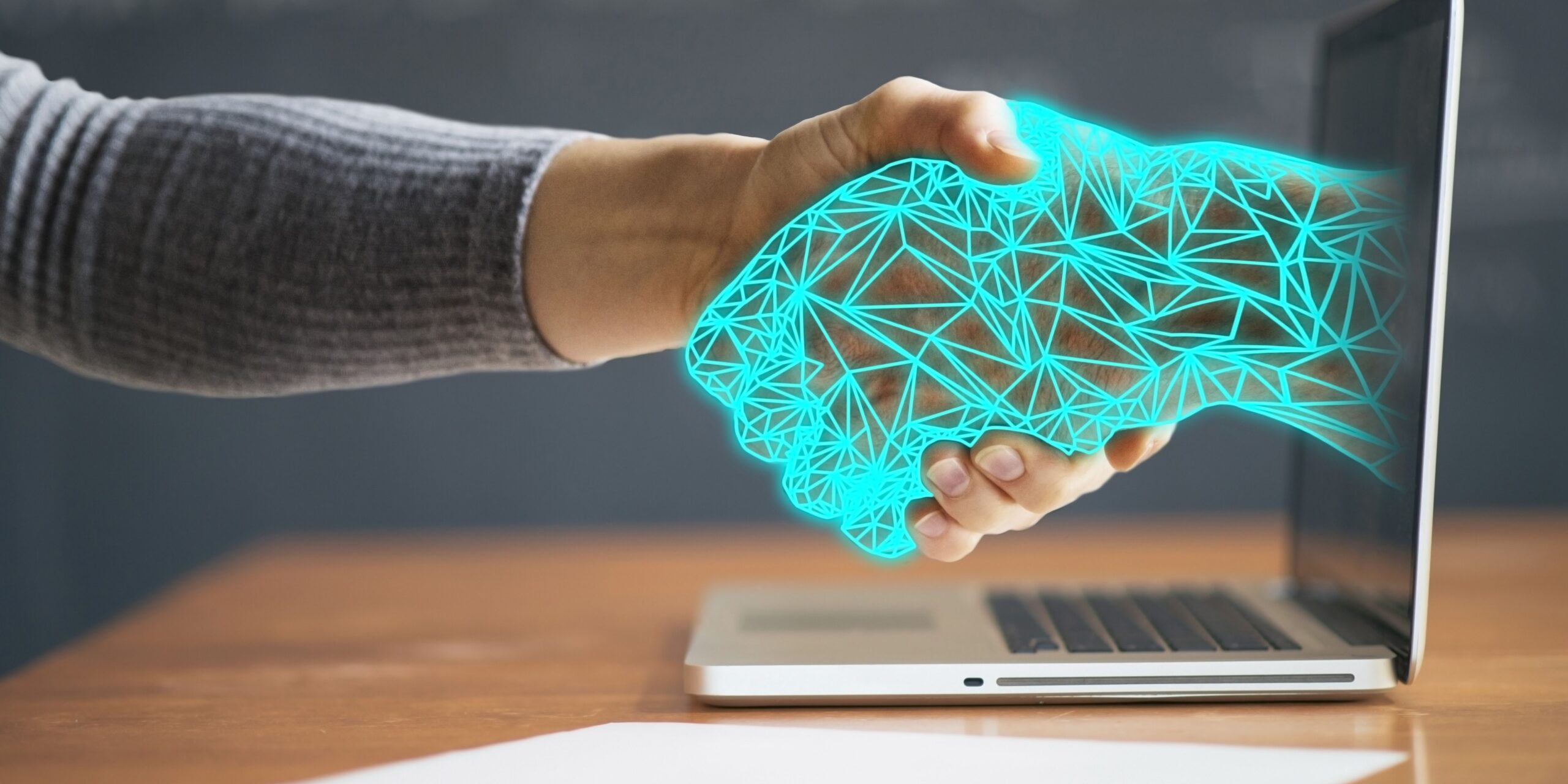
Embracing AI, Machine Learning, and Cloud Computing
Introduction:
In today’s rapidly evolving technological landscape, software development is undergoing a transformative phase. As businesses strive to stay competitive and meet the growing demands of users, they’re increasingly turning to innovative technologies to enhance their software solutions. This article delves into the exciting trends shaping the future of software development, including the integration of artificial intelligence (AI), machine learning, and cloud computing.
1. Embracing Artificial Intelligence and Machine Learning:
Artificial intelligence and machine learning have taken the software development arena by storm. These technologies empower software to learn from data, adapt to user behavior, and make intelligent decisions. From chatbots offering instant customer support to recommendation engines personalizing user experiences, AI and machine learning are revolutionizing how software interacts with users.
Developers are using AI-driven algorithms to automate complex tasks, analyze vast amounts of data, and extract valuable insights. This results in faster decision-making, increased efficiency, and improved accuracy. Moreover, AI-enhanced software can predict trends, optimize processes, and even assist in software testing, ensuring higher quality products.
2. Leveraging the Power of Cloud Computing:
Cloud computing has transformed the way software is developed, deployed, and maintained. Cloud platforms provide scalable infrastructure and resources, allowing developers to focus on innovation rather than infrastructure management. This shift to the cloud offers numerous benefits, including reduced costs, enhanced collaboration, and global accessibility.
Developers can now build, test, and deploy software more efficiently using cloud-based development environments. This accelerates the development cycle and enables seamless collaboration among remote teams. Additionally, the cloud enables the integration of microservices, fostering modularity and flexibility in software architecture.
3. DevOps and Continuous Integration:
DevOps practices are gaining traction in the software development landscape. DevOps emphasizes collaboration between development and operations teams, streamlining the development lifecycle and ensuring faster delivery of high-quality software. Continuous integration (CI) and continuous delivery (CD) pipelines are essential components of this approach.
CI/CD pipelines automate the process of testing, integrating, and deploying code changes. This results in quicker feedback loops, faster bug detection, and more reliable software releases. By embracing DevOps principles, software development teams can achieve greater agility, reduced risks, and improved customer satisfaction.
4. User-Centric Design and User Experience (UX):
In the future of software development, the user experience will take center stage. Developers are placing a strong emphasis on user-centric design and creating software that’s intuitive, seamless, and delightful to use. The rise of AI and machine learning enables the development of more personalized and context-aware user experiences.
By understanding user behavior and preferences, software can adapt and anticipate user needs, providing relevant recommendations and tailored interactions. This not only enhances user satisfaction but also drives user engagement and loyalty.
Conclusion:
As we peer into the future of software development, it’s clear that AI, machine learning, and cloud computing will play pivotal roles in shaping the industry. The integration of these technologies promises to revolutionize how software is built, deployed, and experienced. Developers who embrace these trends will be well-positioned to create innovative, efficient, and user-friendly software solutions that meet the demands of our rapidly changing digital world. Stay ahead of the curve by embracing these trends and positioning your software development endeavors for success.


