
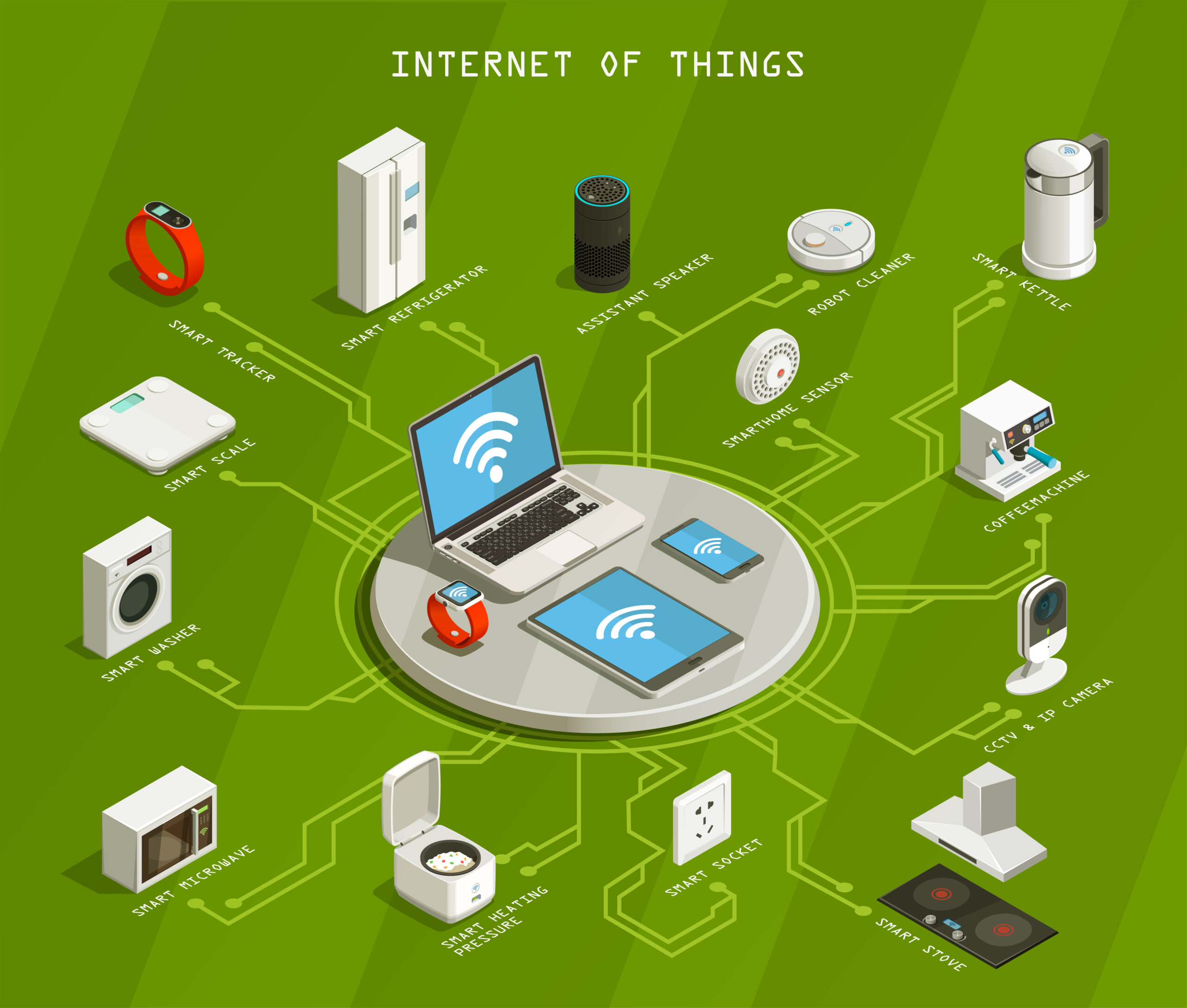
In the era of the Internet of Things (IoT), data is the lifeblood that fuels innovation and insights. From smart thermostats to industrial sensors, the journey of data from IoT devices to servers is a fascinating blend of technology, connectivity, and seamless integration. In this article, we’ll demystify the intricate process of how data embarks on its journey and reaches its destination for meaningful utilization.
Step 1: Data Collection at the Edge
The journey begins at the edge, where IoT devices collect raw data through sensors, cameras, or other embedded technologies. These devices are often equipped with microcontrollers or processors that process and package data before transmission.
Step 2: Local Processing and Filtering
To optimize bandwidth and reduce latency, IoT devices perform local processing and filtering of data. This step involves extracting relevant information, compressing data, and discarding redundant or unnecessary data points.
Step 3: Data Packaging and Protocol Selection
The processed data is then packaged into a format suitable for transmission. Common protocols like MQTT, CoAP, or HTTP are chosen based on factors like data volume, latency requirements, and reliability.
Step 4: Wireless Transmission
IoT devices typically use wireless communication technologies such as Wi-Fi, Bluetooth, Zigbee, LoRa, or cellular networks to transmit packaged data. The choice depends on factors like range, power consumption, and data rate.
Step 5: Gateway Aggregation (Optional)
In cases of multiple IoT devices, a gateway device can aggregate data from several devices before sending it to the server. Gateways help consolidate data transmission, improving efficiency and reducing network congestion.
Step 6: Cloud or Server Connection
The transmitted data reaches the cloud or designated server through an internet connection. Cloud-based platforms like AWS IoT, Google Cloud IoT, or Azure IoT Hub provide services to manage and process IoT data at scale.
Step 7: Data Ingestion and Storage
Upon arrival, the server’s data ingestion component stores the incoming data in databases or data lakes. These storage solutions, which can be relational or NoSQL databases, provide a repository for structured or unstructured data.
Step 8: Data Processing and Analysis
Data undergoes processing and analysis to extract valuable insights. This step involves applying algorithms, machine learning models, or business intelligence tools to uncover patterns, trends, or anomalies within the data.
Step 9: Visualization and Interpretation
The processed data is visualized through dashboards, charts, graphs, or reports. These visual representations empower users to understand and interpret data trends, facilitating data-driven decision-making.
Step 10: Action and Utilization
The ultimate goal of IoT data is to drive action. Insights derived from the data inform real-time actions, optimizations, predictive maintenance, or strategic planning. These actions enhance efficiency, reduce costs, and improve user experiences.
Conclusion: A Data Odyssey
The journey of data from IoT devices to server utilization is a meticulously orchestrated symphony of technology, connectivity, and processing power. As IoT ecosystems expand, so do the possibilities of extracting value from data. Embracing this journey offers a profound opportunity to harness the potential of connected devices, transforming raw data into tangible outcomes that shape our lives and industries.
Check out: Be sure to check out our www.Proxitee.com smart devices to help care for your loved ones.


